
EMDR

Normally, your body processes new information and experiences without conscious awareness. However, when you experience an overwhelming event, such as a car accident, or undergo repeated distressing situations like childhood neglect, your natural coping mechanism can become overwhelmed. This overload can lead to unresolved memories and feelings remaining stuck or unprocessed in your brain. When a person experiences trauma, the memory of the event can become stuck in an unprocessed and distressing state.
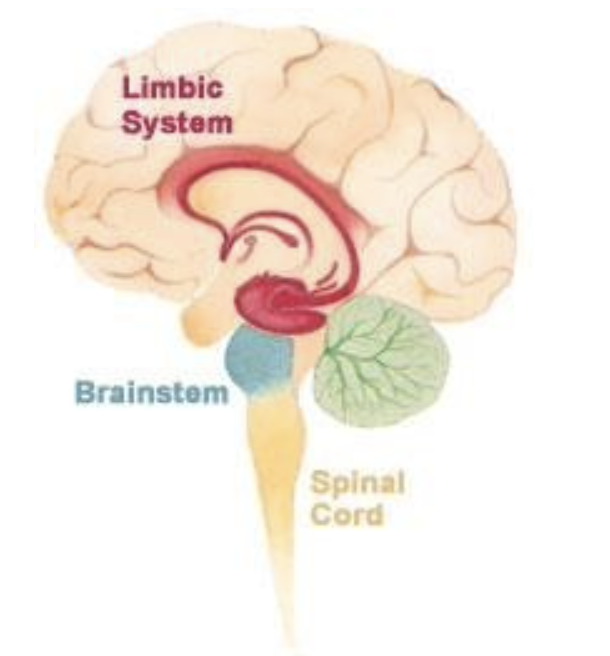
These traumatic memories are stored in the limbic system, associated with emotions and physical sensations, rather than in a verbal narrative form. As a result, they can be triggered repeatedly when you encounter similar situations, even if you have forgotten the specific memory itself. This can manifest as ongoing anxiety, panic, anger, or despair, hindering your ability to live in the present and learn from new experiences.
Eye Movement Desensitization and Reprocessing (EMDR) is a therapeutic approach developed by Francine Shapiro in 1987. It harnesses the brain’s natural ability to heal itself, similar to how the body heals. EMDR has proven to be effective in treating Post-traumatic Stress Disorder (PTSD) and a variety of other mental health conditions. To help you understand EMDR better, I will provide links to informative videos from EMDR associations.
What is EMDR?
Understanding Trauma
What to Expect in an EMDR Session
During an EMDR session, after a comprehensive assessment, you will be asked specific questions about a disturbing memory. The therapist will then guide you to track their finger moving back and forth across your visual field, or use other methods like a bar of moving lights or headphones. These eye movements will be performed for a brief period before stopping, and you will be encouraged to share your experiences during each set of eye movements. These experiences may include changes in thoughts, images, and emotions.
With repeated sets of eye movements, the targeted memory tends to lose its distressing intensity and becomes a neutral memory of the past. Furthermore, related memories can also be linked and healed, resulting in significant improvement in various areas of your life.
Applications of EMDR
In addition to its efficacy in treating PTSD, EMDR has been successfully utilized for a range of mental health conditions, including anxiety, panic attacks, depression, stress, phobias, sleep problems, complicated grief, addictions, pain relief (including phantom limb pain), self-esteem issues, and performance anxiety.
EMDR can be a focused and brief treatment or a part of a longer psychotherapy program. Sessions typically last 60 to 90 minutes. Throughout the treatment, you remain in control, fully alert, and awake. EMDR is not a form of hypnosis, and you can stop the process at any time.
Evidence
The effectiveness of EMDR as a treatment has been supported by substantial evidence from rigorous research. Over a million individuals have benefitted from this innovative therapeutic approach. EMDR has been the subject of nineteen controlled studies, making it the most extensively researched method for trauma treatment. The National Institute for Health and Clinical Excellence (NICE) recommends EMDR as an effective treatment for Post-traumatic Stress Disorder (PTSD).
These videos provide insights into the principles, techniques, and applications of EMDR therapy, and demonstrate the impact of trauma on the brain.